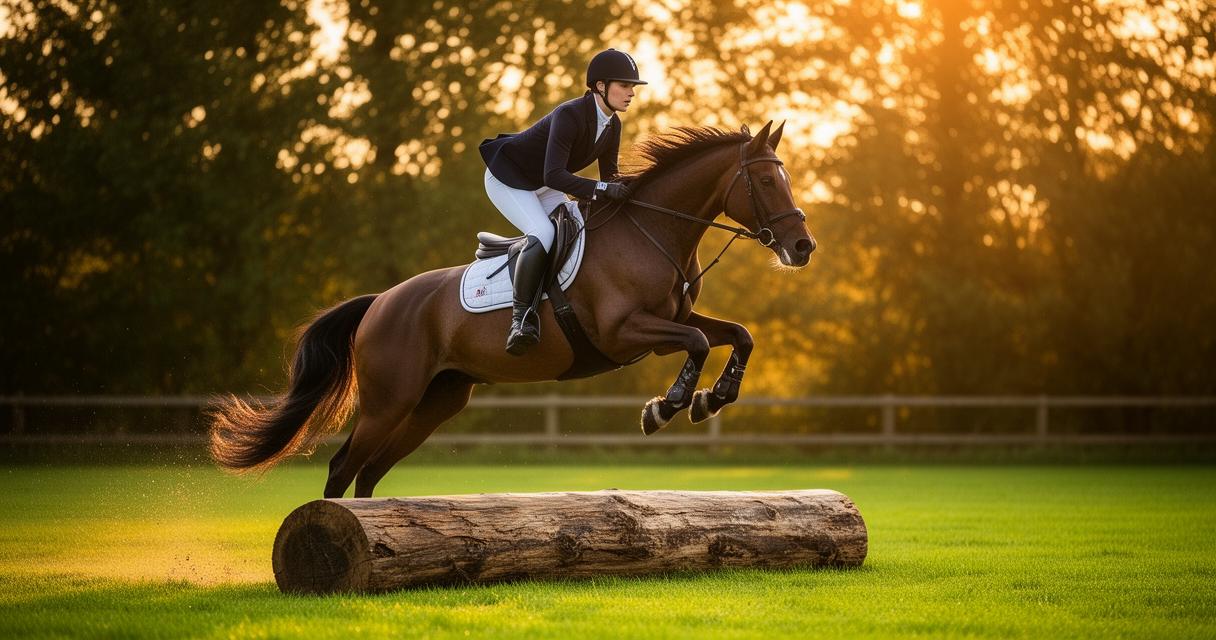
For many people across the United Kingdom, horse riding represents more than just a weekend hobby; it is a lifelong passion that weaves through every season with grace and vigour. Whether you find yourself riding through sun-drenched summer meadows or braving the crisp chill of a winter morning, the bond between horse and rider endures regardless of the weather. The joy of equestrian pursuits transforms with the changing landscape, offering fresh challenges and rewards throughout the entire year. From the gentle hack along winding country lanes to the exhilarating canter across open fields, each season brings its own character and charm to this timeless pursuit.
Horse riding: overview and importance
The timeless appeal of equestrianism across all seasons
Equestrianism has captivated the hearts of countless individuals for centuries, and its appeal remains as strong today as it ever was. The beauty of horse riding lies in its versatility and the deep connection it fosters between people and horses. Throughout spring, summer, autumn, and winter, riders of all ages and abilities find joy in working with these magnificent animals. The English countryside provides an idyllic backdrop for this activity, with rolling hills, ancient woodlands, and picturesque bridleways inviting exploration at every turn. Whether you are embarking on a gentle hack suitable for beginners or pushing your skills on a more challenging route, the experience remains profoundly rewarding. Riders often speak of the sense of freedom and tranquillity that comes from being outdoors, surrounded by nature, with only the rhythmic sound of hoofbeats to accompany them. This enduring appeal is not confined to a single season; rather, it evolves and adapts, ensuring that there is always something new to discover in the world of horse riding.
Health and Wellbeing Benefits for Riders Throughout the Year
Engaging in horse riding offers a wealth of physical and mental health benefits that extend well beyond the saddle. Riders develop core strength, balance, and coordination as they learn to move in harmony with their horse. The gentle motion of a walk, the energy of a trot, and the exhilaration of a canter all contribute to improved fitness and muscle tone. Beyond the physical advantages, spending time with horses has been shown to reduce stress and promote emotional wellbeing. The act of caring for a horse, grooming its coat, and preparing for a ride fosters a sense of responsibility and mindfulness that many find therapeutic. Riding throughout the year ensures that these benefits are maintained regardless of the season. Even in the cooler months, the crisp air and the challenge of adapting to changing conditions keep both mind and body engaged. The equestrian charity the British Horse Society has long championed the positive impact of riding on individuals of all ages, emphasising that the activity is not only about sport but also about nurturing a healthy lifestyle and a deep respect for animal welfare.
Variety of Activities: Dressage, Jumping, and Races
Seasonal Adaptations for Dressage and Show Jumping
Dressage and show jumping are two of the most beloved disciplines within equestrianism, and both require careful adaptation to the changing seasons. Dressage, often described as the art of horse training, involves precise movements and communication between rider and horse. During the warmer months, outdoor arenas become ideal venues for practice, allowing riders to enjoy the natural surroundings while refining their technique. However, as autumn turns to winter, many equestrian centres shift their focus to indoor arenas where controlled environments ensure consistent training conditions. Show jumping, with its thrilling combination of speed and agility, also benefits from seasonal planning. In spring and summer, competitions often take place in outdoor settings where the lush grass and expansive space add to the excitement. When the weather turns colder, indoor events provide a safe and comfortable alternative. Riders must adjust their training schedules and routines to accommodate these changes, ensuring that both horse and rider remain in peak condition throughout the year. This adaptability is a hallmark of the equestrian world, where respect for the horse's welfare always takes precedence.
Racing and eventing: year-round competition calendar
For those drawn to the thrill of competition, racing and eventing offer a year-round calendar of events that test skill, courage, and partnership. Racing, steeped in British tradition, continues to captivate audiences from the first meetings of spring through to the final races of winter. Eventing, which combines dressage, cross-country, and show jumping, demands versatility and stamina from both horse and rider. The seasonal nature of these competitions means that preparation must be meticulous and ongoing. Riders spend countless hours honing their skills, adjusting training regimes to suit the demands of each season. The cross-country phase, in particular, requires careful consideration of ground conditions, which can vary dramatically from the firm turf of summer to the softer, more forgiving surfaces of autumn. The competitive spirit that drives these events is matched by a strong sense of camaraderie among participants, with riders supporting one another through triumphs and setbacks alike. This commitment to excellence and the pursuit of sporting glory ensures that the equestrian calendar remains vibrant and dynamic throughout the year.
Role of Equipment: Saddle, Helmets, and Boots
Essential kit for different weather conditions
The right equipment is paramount to ensuring both safety and comfort when riding horses, and the demands of each season require thoughtful selection and maintenance of kit. A well-fitted saddle is the cornerstone of any rider's equipment, providing stability and support during every ride. Helmets are non-negotiable, offering vital protection in the event of a fall, and modern designs ensure they are both safe and comfortable. Boots play a crucial role too, offering grip and support while protecting the rider's feet. During the warmer months, lighter materials and breathable fabrics help keep riders cool, while in winter, insulated gloves, thermal layers, and waterproof outerwear become essential. Safety equipment, including high-visibility gear, is particularly important during the darker months when daylight hours are limited. Many equestrian centres provide boots and safety equipment to guests, ensuring that everyone can enjoy the experience regardless of their level of preparation. Long trousers and socks are standard requirements, helping to prevent chafing and ensuring a secure fit in the stirrups. By paying close attention to the details of their kit, riders can enjoy their time in the saddle with confidence, knowing they are well-protected against the elements.
Maintaining and Selecting Appropriate Tack Season by Season
The upkeep of tack is an ongoing responsibility that reflects the dedication of the equestrian community to horse welfare and rider safety. Saddles, bridles, and reins must be cleaned and inspected regularly to ensure they remain in excellent condition. Leather tack, in particular, requires careful attention, as exposure to moisture and temperature fluctuations can cause it to crack or deteriorate. During the wetter months, riders often apply protective treatments to their equipment, helping to guard against the effects of rain and mud. In summer, when dust and sweat can accumulate, thorough cleaning becomes even more important. Selecting the right tack for each season also involves considering the horse's needs. Lightweight saddle pads may be preferred in warmer weather, while thicker, more insulating options are chosen for colder days. The process of tacking up a horse is itself an important ritual, offering an opportunity to check the animal's condition and ensure that everything fits correctly. This attention to detail is a testament to the bond between rider and horse, and it underscores the commitment to maintaining the highest standards of care throughout the year.
The Equestrian Community: Riders and Teams in France
Building connections within riding clubs year-round
The equestrian community thrives on the connections forged between riders, instructors, and enthusiasts who share a common love for horses. Riding clubs serve as hubs of activity, bringing together individuals of all ages and abilities to learn, compete, and socialise. Throughout the year, these clubs organise a wide range of events, from casual social rides to more formal competitions, ensuring that there is always something happening. The sense of belonging that comes from being part of a riding club is invaluable, offering support and encouragement to both novice and experienced riders. Many clubs also provide opportunities for members to volunteer, helping with the care of horses, organising events, and raising funds for important causes. This spirit of collaboration and mutual respect is a defining feature of the equestrian world. With existing members numbering in the tens of thousands, the British Riding Clubs network continues to grow, offering a welcoming environment for anyone wishing to deepen their involvement in the sport. The friendships formed within these communities often last a lifetime, bound together by shared experiences and a deep appreciation for the majesty of horses.
French equestrian excellence and international collaboration
While the focus of this guide is primarily on the British equestrian scene, it is worth acknowledging the excellence and collaboration that exists on an international level. France, in particular, has a long and distinguished history in equestrianism, with riders and teams that have achieved remarkable success in dressage, show jumping, and eventing. The exchange of knowledge and techniques between British and French equestrians has enriched both communities, fostering a spirit of friendly competition and mutual respect. Many British riders travel to France to train or compete, and vice versa, creating a vibrant network of international collaboration. This cross-border exchange is facilitated by organisations and federations that work tirelessly to promote the sport and ensure that standards of horse welfare and rider safety are upheld. The shared commitment to excellence and the love of horses transcends national boundaries, making equestrianism a truly global pursuit. By learning from one another and celebrating the achievements of riders from different countries, the equestrian community continues to evolve and thrive, ensuring that the sport remains as dynamic and inspiring as ever.
The Influence of the French Federation
Governing standards and seasonal competitions
The role of national federations in shaping the landscape of equestrian sport cannot be overstated. In France, the federation has played a pivotal role in establishing and maintaining high standards across all disciplines, from grassroots participation to elite competition. These standards ensure that horses are treated with the utmost care and that riders are educated in the principles of safe and responsible horsemanship. Seasonal competitions organised under the auspices of the federation provide a structured pathway for riders to develop their skills and compete at progressively higher levels. The calendar of events is carefully planned to take advantage of the best conditions each season has to offer, ensuring that both horse and rider can perform at their peak. This meticulous approach to governance and organisation has made France a powerhouse in the equestrian world, and its influence can be seen in the practices and standards adopted by other countries. The commitment to excellence and the promotion of fair play are values that resonate throughout the global equestrian community, reinforcing the importance of strong, effective leadership in the sport.
Support Programmes for Riders at Every Level
One of the most significant contributions of national federations is the provision of support programmes designed to nurture talent and encourage participation at every level. These programmes offer guidance on training, access to professional qualifications, and pathways into equine careers for those wishing to make a living from their passion. Whether you are a young rider taking your first steps in the saddle or an experienced competitor aiming for international success, there is support available to help you achieve your goals. Educational initiatives focus on horse care, welfare, health, and behaviour, ensuring that riders are well-informed and equipped to provide the best possible care for their animals. The emphasis on education extends to safety as well, with campaigns encouraging the reporting of incidents and the sharing of data to improve practices across the board. By investing in the development of riders and promoting a culture of continuous improvement, these programmes play a vital role in sustaining the growth and vitality of equestrian sport. The opportunities for fundraising, volunteering, and engagement with the wider community further enrich the experience, making equestrianism a truly inclusive and rewarding pursuit.
Training and Practices for Aspiring Riders
Adapting training schedules to seasonal changes
For aspiring riders, the journey to proficiency requires dedication, patience, and a willingness to adapt to the changing demands of each season. Training schedules must be flexible, taking into account factors such as daylight hours, weather conditions, and the availability of facilities. During the longer days of spring and summer, riders can take advantage of extended daylight to spend more time practising in outdoor arenas and exploring the countryside on hacks. The energy and enthusiasm that come with the warmer months provide an ideal environment for building confidence and refining technique. As autumn arrives, the focus often shifts to consolidating skills and preparing for the challenges of winter. The shorter days and less predictable weather require careful planning, with many riders opting to train in indoor arenas where conditions are more controlled. Winter itself offers unique opportunities for growth, as the discipline and determination required to ride in colder conditions can lead to significant improvements in both physical and mental resilience. By embracing the rhythm of the seasons and adapting their training accordingly, riders can ensure steady progress throughout the year.
Developing skills through year-round instruction
Quality instruction is the foundation upon which all successful equestrian careers are built. Experienced coaches play a crucial role in guiding riders through the various stages of their development, offering feedback, encouragement, and expertise. Year-round instruction ensures that riders have consistent access to the support they need, regardless of the season. Lessons are tailored to the individual, taking into account riding abilities, goals, and any specific challenges that may arise. For beginners, the focus is often on building confidence and learning the basics of horse care and riding technique. More experienced riders may work on advanced manoeuvres, competitive strategies, and the nuances of different disciplines. The process of learning to ride is as much about developing a relationship with the horse as it is about mastering technical skills. Coaches emphasise the importance of communication, trust, and respect, ensuring that riders understand the responsibility that comes with working with such powerful and sensitive animals. Through regular instruction and practice, riders gradually develop the skills and knowledge necessary to enjoy a lifelong partnership with horses, enriched by the changing seasons and the ever-evolving landscape of equestrian sport.
Nature and Outdoor Activities Related to Horse Riding
Exploring the British Countryside in Every Season
The British countryside offers an unparalleled setting for horse riding, with its diverse landscapes and rich history providing endless opportunities for exploration. From the gentle rolling hills of the Home Counties to the rugged moorlands of the north, each region has its own unique character and charm. Riding through these varied terrains allows riders to connect with nature in a profound and meaningful way. In spring, the countryside bursts into life with wildflowers and the cheerful sounds of birdsong, creating a sense of renewal and hope. Summer brings long, leisurely rides under clear blue skies, with the warmth of the sun adding to the pleasure of the experience. Autumn transforms the landscape into a tapestry of gold and amber, offering stunning views and cooler temperatures that are ideal for longer hacks. Even in winter, the beauty of the countryside endures, with frost-covered fields and crisp, clear air providing a dramatic backdrop for those willing to brave the cold. These seasonal changes enrich the riding experience, ensuring that each ride offers something new and memorable. The opportunity to explore such a diverse and beautiful environment is one of the many reasons why horse riding remains such a cherished pastime.
Trail riding and seasonal wildlife encounters
Trail riding is a wonderful way to immerse yourself in the natural world, offering a slower pace that allows for observation and appreciation of the wildlife and scenery around you. Throughout the year, the British countryside is home to a wide variety of animals and plants, each contributing to the rich tapestry of the natural environment. In spring, riders may encounter newborn lambs in the fields, rabbits darting through the hedgerows, and the first butterflies of the season. Summer brings the opportunity to see deer grazing in the early morning mist, while the hedgerows hum with the activity of bees and other pollinators. Autumn is a time of harvest, with the countryside alive with the sights and sounds of wildlife preparing for winter. Squirrels gather nuts, birds begin their migrations, and the landscape takes on a golden hue. Winter, though quieter, offers its own rewards, with the possibility of spotting foxes, badgers, and other nocturnal creatures during early morning or late afternoon rides. These encounters with wildlife add an extra dimension to the riding experience, reminding riders of the interconnectedness of all living things and the importance of preserving and protecting the natural environment. Trail riding, therefore, is not just about the journey itself, but about fostering a deeper connection with the world around us.
Iconic events: olympics and competitions
Preparing for Major Championships Throughout the Year
The pinnacle of equestrian achievement is represented by major championships, with the Olympics standing as the ultimate goal for many riders. Preparation for these events is a year-round endeavour, requiring meticulous planning, unwavering dedication, and the support of a skilled team. Riders must balance intensive training with the need to keep their horses healthy and happy, ensuring that both are in peak condition when it matters most. The process begins long before the event itself, with riders competing in a series of qualifying competitions to earn their place on the team. Each season brings its own set of challenges, from the heat of summer to the unpredictability of spring weather, and riders must adapt their training and strategy accordingly. The support of coaches, veterinarians, and other professionals is essential, providing the expertise and guidance needed to navigate the complexities of high-level competition. For many riders, the journey to the Olympics is as rewarding as the event itself, offering opportunities for personal growth, the development of new skills, and the chance to represent their country on the world stage. The dedication and sacrifice required to reach this level are a testament to the passion and commitment that define the equestrian community.
The olympic journey and seasonal selection events
The journey to the Olympics is marked by a series of selection events that take place throughout the year, each serving as a critical milestone in the quest for international glory. These events are designed to test riders across a range of conditions and disciplines, ensuring that only the best are chosen to represent their nation. The seasonal nature of these selection events means that riders must be prepared to compete in all weather conditions, from the warmth of summer to the chill of early spring. The pressure and intensity of these competitions can be immense, but they also provide invaluable experience and an opportunity to showcase the skills that have been honed through years of training. Success at these events requires not only technical proficiency but also mental fortitude, as riders must remain focused and composed under the scrutiny of judges and the expectations of their peers. The selection process is rigorous and demanding, reflecting the high standards of the Olympic Games and the importance of ensuring that only the most capable riders and horses are chosen. For those who succeed, the reward is the chance to compete on the world's biggest stage, representing the culmination of years of hard work, dedication, and an unwavering love of horses.
Cultural significance: tradition and leisure
Horse Riding as a Cherished British Pastime
Horse riding holds a special place in British culture, embodying values of tradition, elegance, and a deep connection to the natural world. For generations, riding has been a leisure activity enjoyed by people from all walks of life, transcending social and economic boundaries. The image of a rider cantering through the countryside is one that evokes a sense of timeless beauty and freedom, capturing the essence of what it means to be truly at one with nature. This cultural significance is reflected in the many riding schools, clubs, and events that are woven into the fabric of British life. From the local riding school where children take their first lessons to the prestigious events that draw crowds from around the world, horse riding is celebrated as both a sport and an art form. The traditions associated with riding, from the etiquette of the hunting field to the elegance of dressage, are cherished and passed down through the generations. This deep-rooted appreciation for equestrianism ensures that horse riding will continue to be a beloved pastime for many years to come, enriching the lives of those who participate and contributing to the cultural heritage of the nation.
Celebrating equestrian heritage across the seasons
Throughout the year, the equestrian heritage of the United Kingdom is celebrated through a variety of events and traditions that honour the enduring bond between humans and horses. From country shows and agricultural fairs in the summer to charity rides and festive events in the winter, there is always something happening in the equestrian calendar. These celebrations bring together riders, horse owners, and enthusiasts from across the country, fostering a sense of community and shared purpose. They also serve as an opportunity to educate the public about the importance of horse welfare, the benefits of riding, and the rich history of equestrianism in Britain. Many of these events are organised by charities and local organisations, with fundraising playing a key role in supporting the ongoing work of those dedicated to improving the lives of horses and riders alike. The seasonal nature of these celebrations ensures that there is always a reason to come together, to share stories and experiences, and to reaffirm the values that lie at the heart of the equestrian community. By celebrating this heritage, we not only honour the past but also ensure that the traditions and values of horse riding are preserved for future generations to enjoy.
Comments are closed