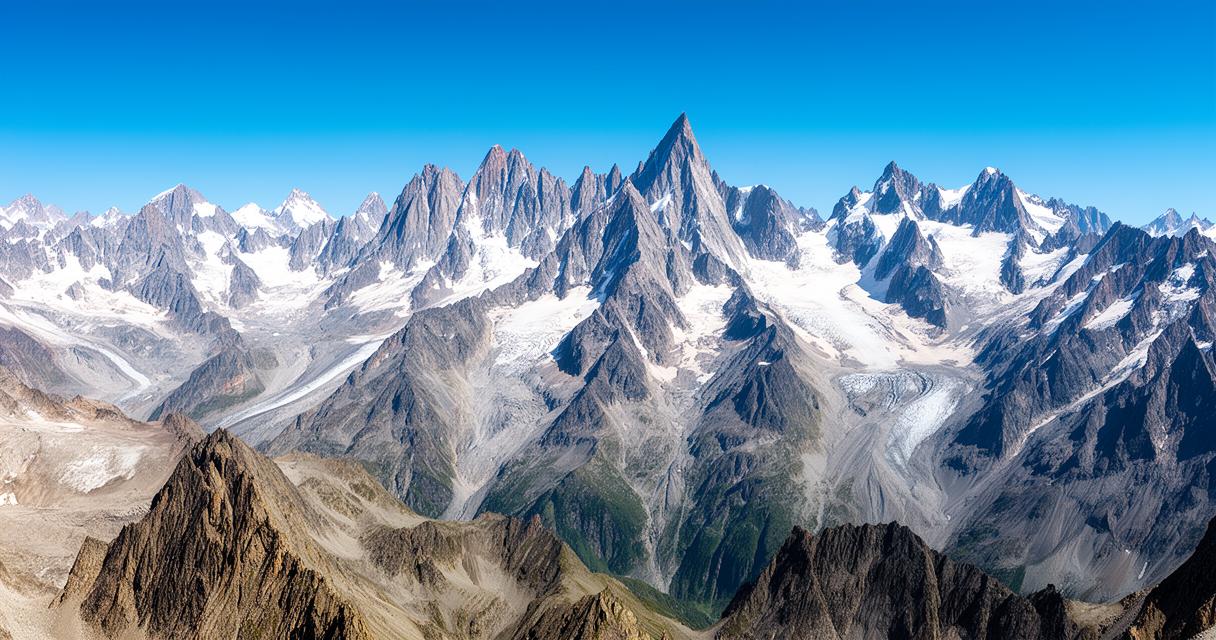
Nestled in the heart of the French Alps, the Écrins massif has long inspired those seeking to capture its dramatic beauty and untamed wilderness. When Pelvoux Ecrins 2018 launched its candidacy to host winter sports events, the visual identity created for the project became a testament to the region's breathtaking landscapes. The official logo and accompanying website not only symbolised ambitions for international recognition but also inadvertently unveiled a treasure trove of hidden photographic opportunities scattered throughout the Écrins National Park and its surrounding communes. For photographers and outdoor enthusiasts, this candidacy opened a window into secret vantage points and lesser-known panoramas that continue to draw those eager to document the majesty of this Alpine wonderland.
Capturing the Spirit of Pelvoux Ecrins 2018: The Visual Identity Behind the Candidacy
The Symbolism and Design Elements of the Official Logo
The official logo for Pelvoux Ecrins 2018 embodied the essence of the region's natural grandeur and its aspirations for hosting international winter sports events. Designers drew inspiration from the towering peaks of the Écrins massif, where the Barre des Écrins reaches an impressive 4,102 metres, making it the highest point in the entire massif. This peak, alongside the more than 150 summits exceeding 3,000 metres, provided a visual vocabulary rich in verticality and strength. The logo likely incorporated elements reflecting the glaciers that define the landscape, as the massif boasts significant ice formations across its 900 square kilometres. The colour palette would have mirrored the contrasts found in the park, from the stark whites of snow-covered slopes to the deep blues of alpine skies and the earthy tones of Mediterranean valleys that characterise the lower elevations. Such design choices communicated not only the sporting potential of the region but also its commitment to conservation and responsible tourism, values central to the Écrins National Park since its establishment in 1973.
How the Website Showcased the Olympic Vision for Vallouise and Surrounding Communes
The website created for Pelvoux Ecrins 2018 served as a digital gateway to the Olympic vision for Vallouise and its neighbouring communes, including Argentière-la-Bessée, Puy-Saint-Vincent, and Les Vigneaux. Through carefully curated imagery and interactive elements such as augmented reality tours, visitors could explore the proposed venues and infrastructure that would transform these mountain communities into centres of winter sports excellence. The site highlighted the natural advantages of the region, including its 700 kilometres of marked trails and diverse valleys spanning Embrunais, Briançonnais, Oisans, Valbonnais, Champsaur, and Valgaudemar. By showcasing seasonal contrasts, the website demonstrated how winter snow scenes could give way to summer hiking trails, revealing the year-round appeal of the Provence-Alpes-Côte d'Azur region. Local stakeholder engagement was emphasised through references to community projects and the integration of traditional Alpine villages such as La Bérarde, Bourg d'Oisans, Vénosc, and Vallouise, each with its unique architectural heritage and agricultural history. The website also provided practical information through contact details for tourist offices in Vallouise-Pelvoux, L'Argentière-la-Bessée, and Puy-Saint-Vincent, ensuring that potential visitors and organisers could easily access resources for planning and coordination.
Uncovering secret photography locations across the écrins national park
Hidden Vantage Points in Argentière-la-Bessée and Les Vigneaux
Argentière-la-Bessée and Les Vigneaux offer photographers some of the most rewarding yet overlooked perspectives in the Écrins region. These communes serve as gateways to valleys where morning light illuminates rocky faces and ancient villages cling to hillsides. In Argentière-la-Bessée, narrow lanes wind past historic buildings, providing opportunities to capture traditional architecture against a backdrop of soaring peaks. The town's position along key hiking routes means that photographers can access vantage points overlooking the Durance valley, where the interplay of light and shadow creates dramatic compositions throughout the day. Les Vigneaux, situated nearby, presents a more pastoral setting where agricultural landscapes meet wilderness. Here, one can photograph bearded vultures and golden eagles as they circle above meadows, or document the seasonal migration of ibex and chamois as they move between feeding grounds. These locations are particularly valuable for those interested in nature photography, as the rich biodiversity of the Écrins National Park, which has been conserved since 1973, ensures that wildlife encounters are frequent and varied. The accessibility of these spots, combined with their relative anonymity compared to more famous Alpine destinations, makes them ideal for photographers seeking authenticity and tranquillity.
Lesser-known alpine panoramas near puy-saint-vincent and puy-saint-andré
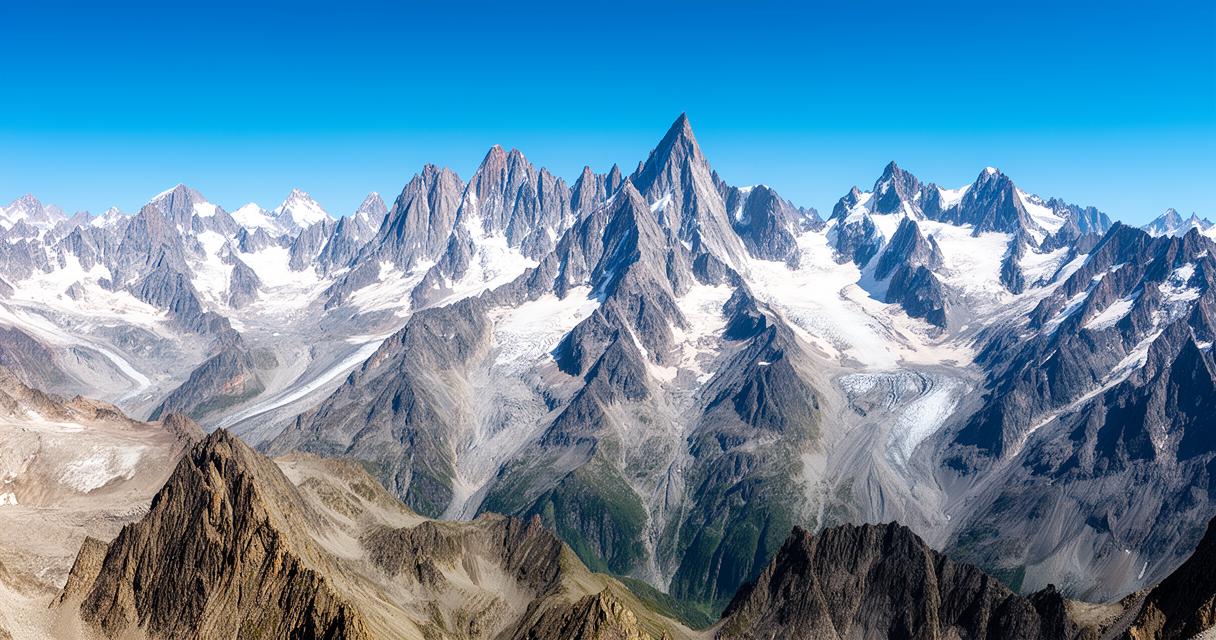
Puy-Saint-Vincent and Puy-Saint-André present another dimension of photographic potential within the Écrins massif. Puy-Saint-Vincent, a ski resort that balances winter sports with summer activities, offers elevated viewpoints that capture the full sweep of the surrounding peaks. From these positions, photographers can frame images that include glaciers, mountain refuges, and the patchwork of alpine meadows that characterise the summer season. The resort's infrastructure provides access to areas that would otherwise require extensive hiking, allowing for efficient exploration of multiple angles and compositions. Puy-Saint-André, meanwhile, offers a quieter alternative where the focus shifts to intimate landscapes and the documentation of local life. The commune's traditional architecture and well-preserved heritage sites provide subjects for those interested in cultural photography, while nearby trails lead to hidden mountain lakes and lesser-travelled valleys. These locations are particularly suited to those who wish to capture the essence of responsible tourism and conservation, as the emphasis on sustainable practices and respect for nature is evident in the careful maintenance of trails and the preservation of natural habitats. The combination of accessibility and authenticity makes these areas essential stops for any photographer exploring the Écrins region.
From Grenoble to the Mountain Communes: A Photographer's Journey Through the Provence-Alpes-Côte d'Azur Region
Seasonal photography opportunities: winter snow scenes and summer hiking trails
The journey from Grenoble into the heart of the Écrins National Park reveals a landscape that transforms dramatically with the seasons, offering photographers an ever-changing canvas. During winter, the region becomes a realm of snow-covered peaks and frozen waterfalls, where activities such as skiing and dog sledding provide dynamic subjects for action photography. The stark beauty of winter scenes, with their high contrast and crisp light, allows for compelling compositions that emphasise the isolation and grandeur of the mountains. Mountain refuges, scattered throughout the park, become focal points in these images, their warm glow a stark contrast to the icy wilderness surrounding them. As spring arrives, the snow begins to recede, revealing trails that lead through meadows bursting with wildflowers and streams swollen with meltwater. Summer brings a different kind of beauty, with hiking, mountain climbing, and bivouac activities drawing adventurers to the park's 700 kilometres of marked trails. Photographers can document families enjoying educational hiking experiences, climbers tackling challenging routes, or solitary trekkers pausing to take in panoramic views. The diversity of experiences available, from canoeing in alpine lakes to star gazing from high-altitude camps, ensures that every season offers unique opportunities to capture the spirit of the Écrins.
Documenting the Legacy of the 2018 Winter Sports Hosting Project
Although the Pelvoux Ecrins 2018 candidacy ultimately represented a vision rather than a realised event, the legacy of the project lives on in the enhanced infrastructure and renewed focus on the region's potential. Photographers documenting this legacy can explore how the candidacy spurred improvements in access, facilities, and conservation efforts across the communes of Vallouise, Argentière-la-Bessée, Puy-Saint-Vincent, and beyond. Images of new visitor centres, upgraded trails, and augmented reality installations tell the story of a region embracing modernity while respecting its heritage. The emphasis on responsible enjoyment of nature, evident in the careful management of the national park, provides a narrative thread that connects past ambitions with present realities. Photographs of local products, from fruits and vegetables to wellness items produced by Alpine communities, illustrate the economic dimensions of the project's legacy. Events such as the Vallouise Market, which runs annually, offer opportunities to capture the vibrant cultural life that continues to thrive in these mountain villages. By documenting both the natural beauty and the human stories of the Écrins, photographers contribute to a broader understanding of how such projects shape landscapes and communities. The interplay between ambition and reality, between conservation and development, remains a compelling subject for those seeking to capture the essence of this remarkable region.
Comments are closed